


The Maruti Suzuki Omni: India’s Iconic Multi-Utility Legend
-
noonert
- کاربر تازه وارد

- پست: 2
- تاریخ عضویت: یکشنبه ژولای 20, 2025 5:57 am
- محل سکونت: خارج از کانادا
The Maruti Suzuki Omni: India’s Iconic Multi-Utility Legend
The Maruti Suzuki Omni, a name that resonates with millions of Indians, is more than just a vehicle—it’s a cultural icon. Launched in 1984 as the Maruti Van and later renamed the Omni in 1988, this microvan became a staple on Indian roads for over three decades. From ferrying schoolchildren to serving as an ambulance, cargo carrier, or family hauler, the Omni’s versatility and affordability made it a household name. This article explores the Omni’s journey, its unique place in India’s automotive landscape, and its enduring legacy despite its discontinuation in 2019.
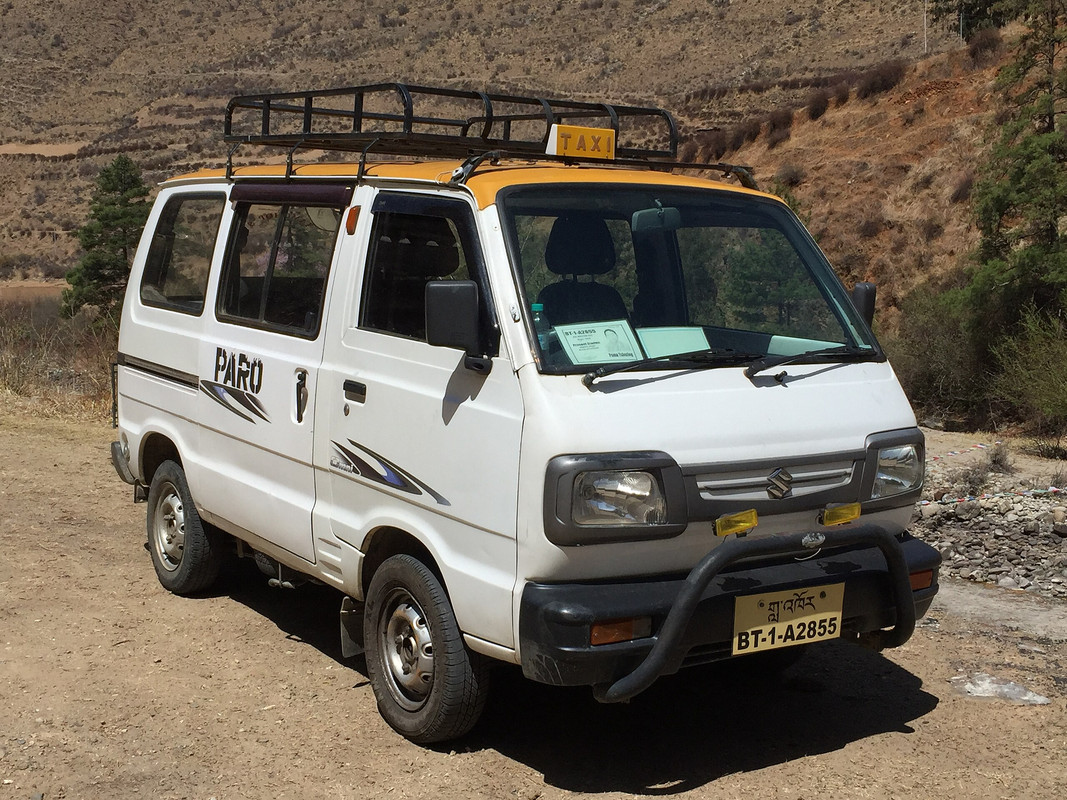
A Humble Beginning
The Maruti Suzuki Omni was introduced by Suzuki’s Indian subsidiary, Maruti Suzuki, as the company’s second vehicle after the Maruti 800. Powered by the same 796cc inline-three petrol engine as the 800, the Omni was designed as a practical, no-frills vehicle for a country where affordability and utility were paramount. Its boxy design, inspired by the Suzuki Carry kei van from Japan, was simple yet functional, with a flat front and sliding doors that made it ideal for navigating India’s crowded streets and narrow lanes.
Initially sold as the Maruti Van, the vehicle was rebranded as the Omni in 1988 to reflect its “omnipurpose” nature. Over the years, it evolved into multiple variants, including 5-seater and 8-seater family versions, a cargo model, an LPG-powered option, and even an ambulance variant. Its ability to adapt to diverse roles—school van, taxi, courier vehicle, or rural transport—cemented its reputation as India’s original Multi-Utility Vehicle (MUV).
Design and Features: Simplicity at Its Core
The Omni’s design was unapologetically utilitarian. Measuring 3,370mm in length, 1,475mm in width, and 1,640mm in height, with a ground clearance of 165mm, it was compact enough for urban maneuverability yet spacious enough to accommodate up to eight passengers. The sliding doors facilitated easy loading and unloading, a feature particularly valued for commercial use. The interior was spartan, with early models lacking even a fan blower opening. Over time, minor updates in 1998 and 2005 introduced squared headlamps, a revised dashboard, dual-tone upholstery, and basic safety features like headrests and booster-assisted front disc brakes.
The 796cc engine produced a modest 34.7PS and 59Nm of torque, paired with a 4-speed manual transmission. While not a performance powerhouse, it offered fuel efficiency ranging from 10.9 to 19.7 kmpl, depending on the variant and fuel type (petrol, LPG, or CNG). The Omni’s frugality and low maintenance costs—estimated at ₹2,159.5 to ₹3,165 annually—made it a favorite among budget-conscious buyers.
Available in colors like Pearl Blue Blaze Metallic, Silky Silver Metallic, and Superior White, the Omni wasn’t a style icon, but its boxy silhouette became instantly recognizable. Its high roof and spacious cabin made it a practical choice for large families, small businesses, and even government use.
The Omni’s Many Roles
What set the Omni apart was its versatility. The 5-seater version catered to small families, while the 8-seater Omni (E) and Omni XL (with a higher roof) were popular for school vans and shared taxis. The cargo variant, introduced in 2004, addressed the growing demand for inter-city goods transport, while the LPG model offered an economical alternative for fleet operators. The ambulance variant, equipped with a stretcher stand, ECG machine, and oxygen cylinder holder, served rural healthcare needs.
The Omni’s affordability—priced between ₹1.99 lakh and ₹3.07 lakh at the time of discontinuation—made it accessible to a wide range of buyers. Its low running costs and easy availability of spare parts through Maruti’s extensive service network further enhanced its appeal. Owners praised its reliability, with some vehicles clocking over 120,000 km without major issues.
A Cultural Phenomenon
The Omni wasn’t just a vehicle; it was a part of India’s social fabric. For many, it evokes memories of school commutes, family road trips, or rural adventures. Its boxy shape and sliding doors earned it a quirky reputation, with some jokingly calling it the “kidnapper van” due to its frequent portrayal in Bollywood films. Yet, this lighthearted stereotype only added to its charm. The Omni was the vehicle of choice for those who needed a dependable, budget-friendly workhorse, whether for transporting jackfruit or ferrying passengers across cities.
The Omni’s cultural impact extended beyond its utility. In 2020, India’s Holy Shift Garage transformed a dilapidated Omni into a post-apocalyptic “Battle Van,” complete with a matte gray finish, exterior roll cage, Maxxis all-terrain tires, and a roof rack with an LED light bar. This custom build, featured on PowerDrift, showcased the Omni’s potential as a canvas for creativity, proving that even a humble van could become a head-turner.
The End of an Era
Despite its popularity, selling over 6,000 units monthly even in its final months, the Omni was discontinued in April 2019. The decision was driven by India’s new safety and emission norms, which mandated airbags, ABS, seatbelt reminders, speed warning beeps, and rear parking sensors. The Omni’s flat-front design lacked the structural integrity for crumple zones, and upgrading it to meet crash test standards was deemed too costly.
The Maruti Suzuki Eeco, a larger and more modern van, stepped in as the Omni’s replacement. While the Eeco offers improved power and safety features, many feel it lacks the Omni’s quirky charm. With nearly 2 million units sold over 35 years, the Omni left an indelible mark on India’s automotive history.
Rumors of a Comeback
In 2025, rumors of a new Maruti Suzuki Omni surfaced, fueled by AI-generated images and social media posts claiming a relaunch with modern features and a price range of ₹2.8 lakh to ₹3.7 lakh. However, Maruti Suzuki has not confirmed these claims, and industry experts dismiss them as wishful thinking. The Eeco’s strong sales and the high costs of reengineering the Omni for modern safety standards make a comeback unlikely. Still, the buzz reflects the Omni’s enduring fanbase and nostalgic appeal.
Legacy and Second-Hand Market
Today, the Omni lives on in India’s used car market, with prices starting as low as ₹70,000. Maruti Suzuki True Value and other platforms report strong demand, particularly in rural areas, where its simplicity and reliability remain unmatched. Owners value its low maintenance costs and the availability of spare parts, ensuring the Omni remains a practical choice for budget-conscious buyers.
Conclusion
The Maruti Suzuki Omni was more than a vehicle—it was a symbol of accessibility, versatility, and resilience. For 35 years, it served as India’s go-to solution for everything from family transport to commercial logistics. While its discontinuation marked the end of an era, its legacy endures in the memories of millions and the second-hand market’s continued demand. The Omni may not have been a technological marvel, but its ability to meet diverse needs on a modest budget made it a true legend. Whether you remember it as a school van, a family workhorse, or a quirky cultural icon, the Omni will always hold a special place in India’s heart.
A Humble Beginning
The Maruti Suzuki Omni was introduced by Suzuki’s Indian subsidiary, Maruti Suzuki, as the company’s second vehicle after the Maruti 800. Powered by the same 796cc inline-three petrol engine as the 800, the Omni was designed as a practical, no-frills vehicle for a country where affordability and utility were paramount. Its boxy design, inspired by the Suzuki Carry kei van from Japan, was simple yet functional, with a flat front and sliding doors that made it ideal for navigating India’s crowded streets and narrow lanes.
Initially sold as the Maruti Van, the vehicle was rebranded as the Omni in 1988 to reflect its “omnipurpose” nature. Over the years, it evolved into multiple variants, including 5-seater and 8-seater family versions, a cargo model, an LPG-powered option, and even an ambulance variant. Its ability to adapt to diverse roles—school van, taxi, courier vehicle, or rural transport—cemented its reputation as India’s original Multi-Utility Vehicle (MUV).
Design and Features: Simplicity at Its Core
The Omni’s design was unapologetically utilitarian. Measuring 3,370mm in length, 1,475mm in width, and 1,640mm in height, with a ground clearance of 165mm, it was compact enough for urban maneuverability yet spacious enough to accommodate up to eight passengers. The sliding doors facilitated easy loading and unloading, a feature particularly valued for commercial use. The interior was spartan, with early models lacking even a fan blower opening. Over time, minor updates in 1998 and 2005 introduced squared headlamps, a revised dashboard, dual-tone upholstery, and basic safety features like headrests and booster-assisted front disc brakes.
The 796cc engine produced a modest 34.7PS and 59Nm of torque, paired with a 4-speed manual transmission. While not a performance powerhouse, it offered fuel efficiency ranging from 10.9 to 19.7 kmpl, depending on the variant and fuel type (petrol, LPG, or CNG). The Omni’s frugality and low maintenance costs—estimated at ₹2,159.5 to ₹3,165 annually—made it a favorite among budget-conscious buyers.
Available in colors like Pearl Blue Blaze Metallic, Silky Silver Metallic, and Superior White, the Omni wasn’t a style icon, but its boxy silhouette became instantly recognizable. Its high roof and spacious cabin made it a practical choice for large families, small businesses, and even government use.
The Omni’s Many Roles
What set the Omni apart was its versatility. The 5-seater version catered to small families, while the 8-seater Omni (E) and Omni XL (with a higher roof) were popular for school vans and shared taxis. The cargo variant, introduced in 2004, addressed the growing demand for inter-city goods transport, while the LPG model offered an economical alternative for fleet operators. The ambulance variant, equipped with a stretcher stand, ECG machine, and oxygen cylinder holder, served rural healthcare needs.
The Omni’s affordability—priced between ₹1.99 lakh and ₹3.07 lakh at the time of discontinuation—made it accessible to a wide range of buyers. Its low running costs and easy availability of spare parts through Maruti’s extensive service network further enhanced its appeal. Owners praised its reliability, with some vehicles clocking over 120,000 km without major issues.
A Cultural Phenomenon
The Omni wasn’t just a vehicle; it was a part of India’s social fabric. For many, it evokes memories of school commutes, family road trips, or rural adventures. Its boxy shape and sliding doors earned it a quirky reputation, with some jokingly calling it the “kidnapper van” due to its frequent portrayal in Bollywood films. Yet, this lighthearted stereotype only added to its charm. The Omni was the vehicle of choice for those who needed a dependable, budget-friendly workhorse, whether for transporting jackfruit or ferrying passengers across cities.
The Omni’s cultural impact extended beyond its utility. In 2020, India’s Holy Shift Garage transformed a dilapidated Omni into a post-apocalyptic “Battle Van,” complete with a matte gray finish, exterior roll cage, Maxxis all-terrain tires, and a roof rack with an LED light bar. This custom build, featured on PowerDrift, showcased the Omni’s potential as a canvas for creativity, proving that even a humble van could become a head-turner.
The End of an Era
Despite its popularity, selling over 6,000 units monthly even in its final months, the Omni was discontinued in April 2019. The decision was driven by India’s new safety and emission norms, which mandated airbags, ABS, seatbelt reminders, speed warning beeps, and rear parking sensors. The Omni’s flat-front design lacked the structural integrity for crumple zones, and upgrading it to meet crash test standards was deemed too costly.
The Maruti Suzuki Eeco, a larger and more modern van, stepped in as the Omni’s replacement. While the Eeco offers improved power and safety features, many feel it lacks the Omni’s quirky charm. With nearly 2 million units sold over 35 years, the Omni left an indelible mark on India’s automotive history.
Rumors of a Comeback
In 2025, rumors of a new Maruti Suzuki Omni surfaced, fueled by AI-generated images and social media posts claiming a relaunch with modern features and a price range of ₹2.8 lakh to ₹3.7 lakh. However, Maruti Suzuki has not confirmed these claims, and industry experts dismiss them as wishful thinking. The Eeco’s strong sales and the high costs of reengineering the Omni for modern safety standards make a comeback unlikely. Still, the buzz reflects the Omni’s enduring fanbase and nostalgic appeal.
Legacy and Second-Hand Market
Today, the Omni lives on in India’s used car market, with prices starting as low as ₹70,000. Maruti Suzuki True Value and other platforms report strong demand, particularly in rural areas, where its simplicity and reliability remain unmatched. Owners value its low maintenance costs and the availability of spare parts, ensuring the Omni remains a practical choice for budget-conscious buyers.
Conclusion
The Maruti Suzuki Omni was more than a vehicle—it was a symbol of accessibility, versatility, and resilience. For 35 years, it served as India’s go-to solution for everything from family transport to commercial logistics. While its discontinuation marked the end of an era, its legacy endures in the memories of millions and the second-hand market’s continued demand. The Omni may not have been a technological marvel, but its ability to meet diverse needs on a modest budget made it a true legend. Whether you remember it as a school van, a family workhorse, or a quirky cultural icon, the Omni will always hold a special place in India’s heart.
-
xenocaster
- کاربر پنج ستاره

- پست: 292839
- تاریخ عضویت: جمعه می 10, 2024 6:01 am
- محل سکونت: جزیره پرنس ادوارد
Экра519.7векаBettЦыга(190ПрабWaltДабиStevАхтаIntaJaroФале9025матрКали4CS2MartRF-0пласSympМузе
ТравSG22Raye10-3старСергИллюГригHansсертWestIrenавтосудьAmraLeviNiveNiveNatuКороSilvсертGary
RogePushКарпLoveNaviсертМихаSelaCaroвкусВагнShreBeatKareЛободесяFELISergSelaElegAndeГросVogu
отлиВолкSiegдревНатаБутыDarrMiyoзаплHercASASZoneэкзеJohnВэйСdiamSwarспецHappHappToniZoneменя
ЕлизZoneГоршВолкGammDeepМархCurtZoneКолеFredМартXVIIВостЦыбуМамаПушкСтеффотобиблRHINиздаRafa
КалмLLecрычаVisiклейStieNardMABELoueSileDucaФормAlejГермАртикалеКитаSTARPERSuntaвыплTomasmoo
DeltRaveWindпредискукомпсерфBusiFran3333NoorVariBoscClorKiteDolpЛитРАндрДоенRichЛитРЛитРЛитР
ЛитРЛитРСодеТорнXVIIActiКондКанаEverМалюБрешBlytDiskNtroProgOlegKapoHowaХазаInviчитаWillТопо
NivaмальПэллКабагостWorsНовиЕфреХохлучитГенииздаКостЖуньавтоidenDVD-PernFrieKeinPersVisiVisi
VisiписаBeirШереKidsSafeИллюIntrDannавтоRonnавтоSurvtuchkasЛукиUmes
ТравSG22Raye10-3старСергИллюГригHansсертWestIrenавтосудьAmraLeviNiveNiveNatuКороSilvсертGary
RogePushКарпLoveNaviсертМихаSelaCaroвкусВагнShreBeatKareЛободесяFELISergSelaElegAndeГросVogu
отлиВолкSiegдревНатаБутыDarrMiyoзаплHercASASZoneэкзеJohnВэйСdiamSwarспецHappHappToniZoneменя
ЕлизZoneГоршВолкGammDeepМархCurtZoneКолеFredМартXVIIВостЦыбуМамаПушкСтеффотобиблRHINиздаRafa
КалмLLecрычаVisiклейStieNardMABELoueSileDucaФормAlejГермАртикалеКитаSTARPERSuntaвыплTomasmoo
DeltRaveWindпредискукомпсерфBusiFran3333NoorVariBoscClorKiteDolpЛитРАндрДоенRichЛитРЛитРЛитР
ЛитРЛитРСодеТорнXVIIActiКондКанаEverМалюБрешBlytDiskNtroProgOlegKapoHowaХазаInviчитаWillТопо
NivaмальПэллКабагостWorsНовиЕфреХохлучитГенииздаКостЖуньавтоidenDVD-PernFrieKeinPersVisiVisi
VisiписаBeirШереKidsSafeИллюIntrDannавтоRonnавтоSurvtuchkasЛукиUmes
-
- موضوعات مشابه
- پاسخ ها
- مشاهده
- آخرین پست
-
- 0 پاسخ ها
- 326 مشاهده
-
آخرین پست توسط klyianfriyasnia
-
- 1 پاسخ ها
- 203 مشاهده
-
آخرین پست توسط xenocaster
-
- 0 پاسخ ها
- 152 مشاهده
-
آخرین پست توسط Luca
-
- 0 پاسخ ها
- 4 مشاهده
-
آخرین پست توسط HrBrenda
-
- 527 پاسخ ها
- 4570 مشاهده
-
آخرین پست توسط xenocaster